


When passionate students unite to address real-world issues, remarkable outcomes emerge. During the recent MS-CC Hackathon at West Virginia State University, participants actively tackled urgent community challenges, from monitoring air quality to safeguarding environmental data vital to rural areas. We spoke with Cephas Osei-Bonsu, one of the event’s participants, to learn about their experience: what motivated them to join, how his team approached complex cybersecurity and environmental science problems, and the key lessons they gained:
I was inspired to participate to learn more about the environment and how technology can help protect it. I was also interested in how environmental data can be protected from cyberattacks or manipulation. Many people, including communities, hospitals, students, and workers, depend on this data for daily decisions. This made me want to explore how software can make environmental data more secure and trustworthy.
The Hackathon addressed challenges related to air quality, environmental monitoring, and data reliability. In some communities, especially rural areas, people may not always have access to trusted environmental information. If the data is wrong or manipulated, it can affect how people respond to environmental risks. This showed me that protecting environmental data is also part of protecting communities. My team used PurpleAir data to study how to protect environmental sensor data. We focused on how to detect unreliable readings, possible cyberattacks, or data manipulation. We applied data science methods to compare sensor readings and identify unusual changes in the data. Our goal was to make environmental data more trusted and useful.
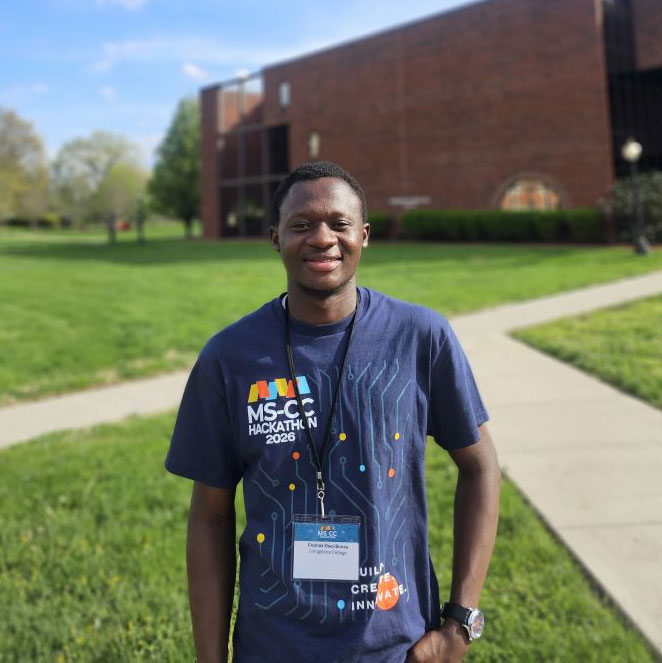
Cephas Osei-Bonsu
One unexpected challenge was understanding why environmental data from sensors in different locations could show large differences. It was not always easy to know whether the difference came from a real environmental issue, a sensor problem, or possible manipulation. We overcame this by working together, asking mentors questions, and breaking the problem into smaller parts. This helped us better understand the data and improve our project idea. The most valuable skills were teamwork, problem-solving, communication, and critical thinking. Since the project combined cybersecurity and environmental data, we had to understand the problem from different angles. Communication helped us share ideas clearly and work better as a team. These skills helped us build a stronger and more meaningful project.
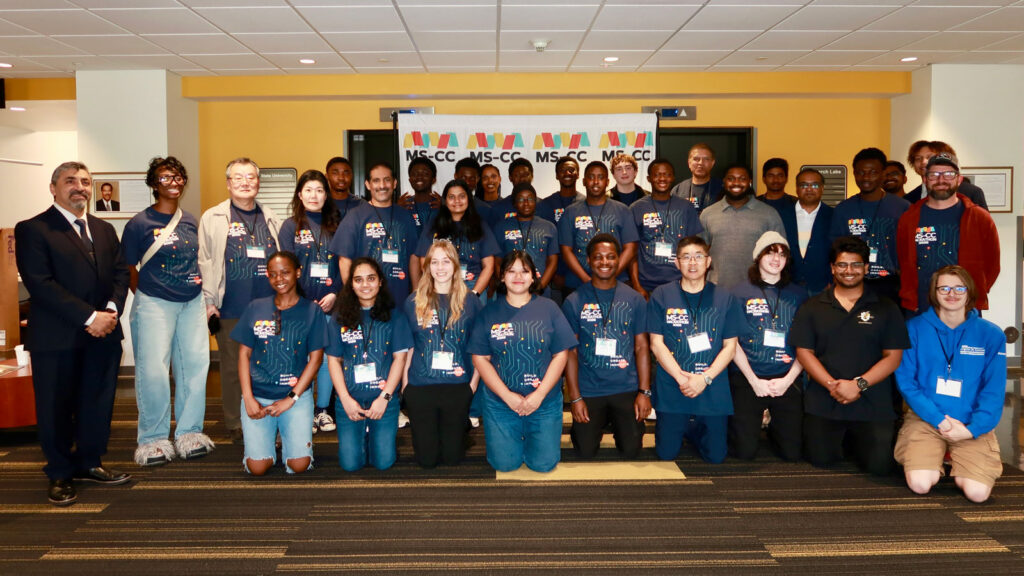
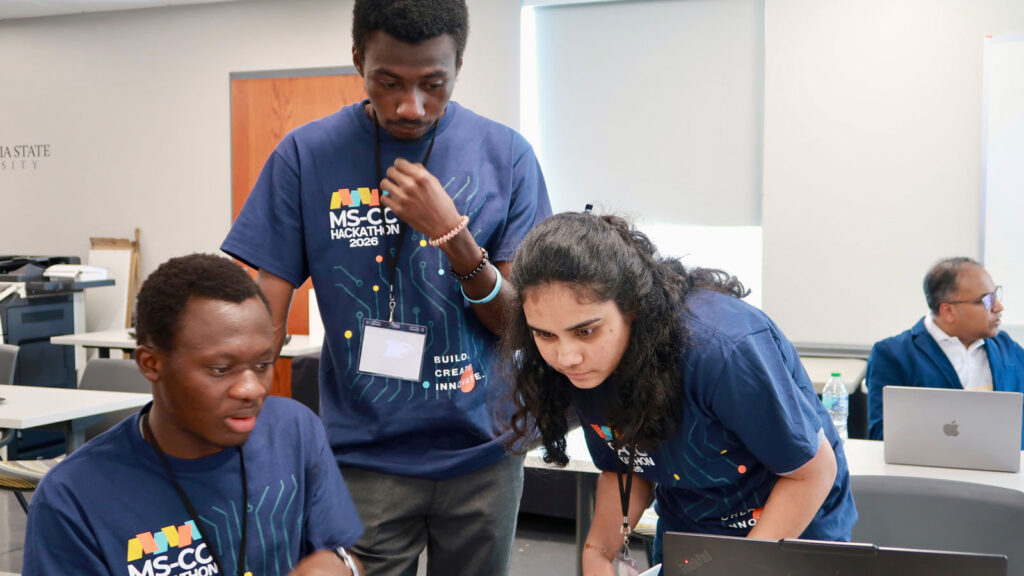
I learned that teamwork is very important when solving real-world problems. Everyone on my team brought different ideas and perspectives, which helped us think more deeply. We had to listen to each other, share responsibilities, and combine our strengths. This experience showed me that good collaboration can make a project much better.
A memorable experience was learning from professors, mentors, and environmental experts. They helped me understand how cybersecurity connects to environmental data and community safety. I also enjoyed working with teammates and meeting people with different perspectives. My biggest takeaway was that technology can help protect important data and create real impact in society. I would participate in another event like this. It gave me the chance to learn, build, and work with others on a real-world problem. I enjoyed learning from experts and applying technology to environmental and cybersecurity challenges. Events like this help me grow and think about how technology can help society.
By Sidney Davis – Communications Manager, MS-CC
Is your institution interested in hosting a Hackathon?
Please contact Alexia Jones, MS-CC, Senior Program Manager.